Last updated: August 23, 2026
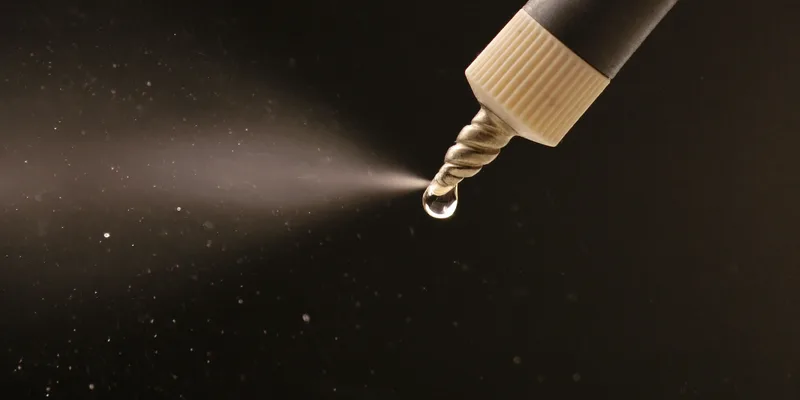
Half an hour into a session the spray stops being a mist. Instead of an even coat you get an occasional wet blob, a splat of paint that lands harder than the rest, or a clear droplet that spreads across a basecoat you had almost finished. It happens once, then twice, then every few seconds.
Spitting has three completely different causes, which is why generic advice never fixes it. The first job is telling them apart, and that costs nothing.
This article contains affiliate links. If you buy through them, we may earn a commission at no extra cost to you. Learn more.
Quick Answer
Why is my airbrush spitting?
- Clear droplets means water from the compressor. Drain the tank and cool the air.
- Paint blobs at the start of a pass usually means dried paint at the tip.
- Irregular splutter with bubbles in the cup means a loose nozzle or a bad seal.
- Work the free fixes in order before buying anything. Most cases end there.
Bottom line: identify whether it is water, paint or air first. The three have nothing in common except the symptom.
First, Work Out What Is Coming Out
Spray onto a white card or a piece of paper towel and look closely at what lands. A clear spot that spreads and lifts the paint underneath is water. A dark speck with a hard edge is a lump of dried or unthinned paint. An irregular burst that comes and goes is air getting where it should not be.
That single test decides which of the three sections below applies to you, and it stops you spending an evening thinning paint when the actual problem is a compressor sitting in a damp corner of the room.
The Free Fixes, in Order
Run through these before buying anything, because they resolve most cases and they cost nothing but time. Do them one at a time and test after each, otherwise you will never know which one it was and it will come back.
Backflush the brush first: cap the nozzle with a finger over the crown and pull the trigger back so air pushes back into the cup and bubbles. Then unscrew the nozzle and refit it snugly, never forcing it. Then thin the paint further. Then adjust the pressure. Then pull the needle back, wipe it clean and reseat it. Finally check the nozzle O-ring for swelling or splits.
Do Not Force the Nozzle
Hobby nozzles are small and often brass, and overtightening cracks them. Snug is the target, and a cracked nozzle produces exactly the intermittent splutter you are trying to cure, so a heavy hand here turns a five minute fix into an order for parts.
Water: The Clear Droplet Problem
If what lands is clear and runs, the compressor is delivering moisture. Compressed air holds less water than free air, the pump runs hot, and when that warm damp air cools in the hose it drops the difference on your model. Every compressor does this. Where the water condenses is the only thing you control.
Three changes fix most of it. Drain the tank if you have one, using the screw underneath, which Paasche states in the D3000R manual should be done in humid conditions. Run a longer hose so the air cools before it reaches the brush. Move the compressor off a cold floor and out of the dampest corner.
Then Put a Trap Where the Air Is Coolest
A trap on the compressor outlet handles air at its hottest, when most of the moisture is still vapor. A small inline trap at the airbrush end catches what actually condensed along the line. Keeping both is the standard setup, and our moisture trap for airbrush guide covers the placement in detail.

Paint: Blobs, Specks and Starts
Paint spitting usually shows up at the start of a pass, after a pause, or when you have been doing detail work in short bursts. What happens is that paint dries on the needle tip between bursts, then breaks loose as a lump when the air starts moving again. Thicker paint and higher pressure both make it worse.
The fixes are thinning further, wiping the tip with a damp cotton bud between passes, and using a retarder if the room is warm or dry. Our airbrush tip dry guide covers that cycle, and thinning acrylic paint for airbrush covers the consistency to aim for.
Unmixed Paint Spits Too
A bottle that has stood for months has pigment on the bottom and thin binder on top. Pour off the top and it sprays weakly; get down to the bottom and it arrives as lumps. Shake for a full minute with a mixing ball in the bottle before you blame the airbrush.
Air: Loose Nozzles and Tired Seals
If the spray splutters irregularly and you see bubbles rising in the cup when you spray, air is escaping backwards past the nozzle instead of going out of the front. That means the nozzle is loose, cracked, or its seal has failed. It is the one cause on this list that will not improve with better technique.
Refit the nozzle first. If that changes nothing, look at the O-ring or PTFE washer behind it, because solvent based cleaners swell some rubber compounds over time and a swollen seal no longer seals. Replacement sets are cheap and worth having in a drawer before you need them.

Reading the Symptom in One Table
The pattern of when it spits tells you more than the spitting itself, so match your case to the row rather than trying every fix at once.
| What you see | Likely cause | Free fix first | If that fails |
|---|---|---|---|
| Clear droplets, later in a session | Condensation in the line | Drain tank, longer hose, cooler spot | Inline trap at the brush end |
| Blob at the start of each pass | Paint dried at the tip | Thin more, wipe the tip, lower heat | Retarder or flow improver |
| Bubbles in the cup, random splutter | Nozzle loose or seal gone | Refit the nozzle snugly | New O-ring or nozzle |
| Coarse specks in the spray | Unmixed or overdue paint | Shake a full minute, strain it | Replace the bottle |
Humid Rooms Make Everything Worse
In a basement, a garage in a wet climate or any room in the middle of a muggy summer, the air going into the compressor is already carrying a lot of water. Every filter downstream is then working against the room itself, and a small bowl at the brush end fills faster than it can help.
Drying the room does more than adding a third filter. A dehumidifier where you paint reduces the moisture at the source, and it makes paint behave more predictably as a side effect. If you are shopping for a compressor and moisture is your recurring complaint, our guide to the airbrush compressor with tank explains why a tank changes this.
Frequently Asked Questions
My airbrush sprays water. Is the airbrush broken? Almost certainly not. Water in the spray comes from the compressor and the hose, not the brush. Drain the tank, run a longer hose so the air cools before it arrives, and add a trap at the airbrush end where the air is coolest.
Why does it only start spitting after twenty minutes? Because the compressor has warmed up. Hot air leaving the pump carries more moisture and cools further in the line, so condensation peaks well into a session. If your spitting is time dependent like that, it is water and not paint.
Can too much pressure make an airbrush spit? Indirectly, yes. High pressure dries paint on the tip faster and drives more air into a marginal seal, so both the paint and the air causes get worse. Dropping to a sensible working pressure often reduces spitting without changing anything else.
Should I take the whole airbrush apart to fix spitting? Not as a first step. Backflush, refit the nozzle and check the needle. Full disassembly is for a deep clean, and it introduces its own risks, mainly bent needles and cracked nozzles. Our guide to cleaning an airbrush covers how far to go.
Is spitting the same as sputtering? They overlap, but sputtering usually describes a continuous unsteady spray while spitting describes discrete blobs. Bubbles in the cup point to the same air leak in both cases, which our airbrush sputtering guide takes further.
The Bottom Line
Spray on a card and look at what lands: clear means water, specks mean paint, bubbles mean air. Then work the free list in order, backflush, refit the nozzle, thin the paint, adjust pressure, wipe the needle, check the seal. Buy a trap only once you know it is condensation, and buy a seal set only once you have seen bubbles in the cup. Read next: moisture trap for airbrush for the water route, and how to choose an airbrush compressor if the supply itself is the weak link.