Last updated: August 23, 2026
There is a moment in most airbrush ownerships where the mild water based cleaner stops being enough. Something dried in the channel while you were distracted, or a batch of paint cured in the nozzle over a week off, and flushing achieves nothing. That is the point where Tamiya’s airbrush cleaner enters the conversation, usually recommended by someone on a forum with the words strong stuff attached.
They are right. It shifts films that water based cleaners only soften, and it is the reason a lot of brushes get rescued instead of replaced. It is also a solvent product with real handling requirements and a well documented habit of attacking the rubber seals inside the tool you are trying to save.
This article contains affiliate links. If you buy through them, we may earn a commission at no extra cost to you. Learn more.
Quick Answer
Should you use Tamiya airbrush cleaner?
- Yes, as a recovery cleaner for dried acrylic, enamel and lacquer that mild cleaners will not lift.
- No, as your everyday between-colors flush. That is what a water based cleaner is for.
- It is solvent based. Read Tamiya’s safety data sheet and use the ventilation and protection it specifies.
- Keep it away from rubber seals and soft plastics, and keep spare O-rings in the drawer.
Bottom line: a specialist bottle for a specialist job. Own it, use it rarely, and never leave parts sitting in it.
What Tamiya Airbrush Cleaner Is
A solvent based cleaning fluid, sold in a 250ml bottle as item 87089, designed to remove dried acrylic, enamel and lacquer paint from an airbrush. It is aggressive by hobby standards, which is exactly why people buy it, and it belongs in the same handling category as the lacquer thinners rather than alongside a mild water based cleaner.
Tamiya’s safety data sheet classifies it as a flammable liquid with flammable vapors and sets out the precautions the manufacturer considers appropriate. That document is the authority for the bottle in your hand, and it takes about a minute to read before your first use.

What It Removes That Mild Cleaners Cannot
Cured film. A water based cleaner works well on wet and recently dried acrylic, and it does very little to paint that has properly hardened inside a nozzle or behind a needle. A solvent cleaner dissolves the binder rather than lifting the pigment, which is a different mechanism and a much more thorough one.
It also handles enamel and lacquer residue, which water based products barely touch. For a modeler who runs Tamiya acrylics thinned with lacquer thinner, or who sprays LP lacquers, it is not a luxury item, it is the matched cleaner for that paint system.
The O-ring and Plastic Warning
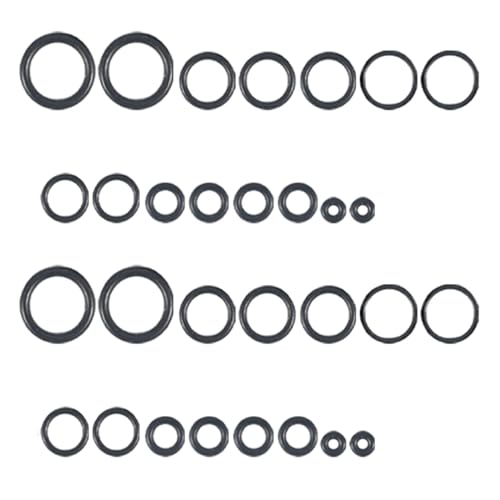
This is the part that costs people money. The standard rubber O-rings inside most airbrushes are not rated for prolonged solvent exposure. They swell, then they harden, and the symptom appears days later as air leaking into the cup or a brush that will not hold pressure. The owner blames the airbrush and replaces the wrong thing.
Plastic cups, plastic caps and any nylon component are the second casualty. Check your airbrush maker’s parts diagram for solvent resistant seals before you commit, keep a spare seal set in the drawer either way, and treat seals as consumables once solvent enters your routine. Our airbrush replacement parts guide covers what fits what.
Ventilation and the Safety Data Sheet
Solvent cleaners release vapor while you flush, and flushing atomizes the fluid exactly as spraying atomizes paint. The manufacturer’s safety data sheet is the reference for what that requires, and Tamiya’s own documentation for its solvent products specifies handling in a well ventilated area away from ignition sources.
In a hobby room that means extraction to the outdoors rather than a recirculating filter, a closed cleaning pot rather than an open jar, and a NIOSH-approved respirator with the cartridge type the safety data sheet names if you are working with solvent regularly. Do not improvise a filter class from forum advice. Our airbrush ventilation page covers the room side of the setup.
When to Reach for It
Matching the cleaner to the situation avoids both the wasted effort of a mild cleaner on cured paint and the unnecessary solvent exposure of using a strong one for a routine flush.
| Situation | Use | Why | Watch out for |
|---|---|---|---|
| Between colors | Water based cleaner | Paint is still wet | Nothing, this is routine |
| End of session | Water based cleaner | Enough for fresh acrylic | Do not skip it |
| Dried paint in the nozzle | Tamiya or another solvent | Dissolves cured film | Seals, plastics, vapor |
| After lacquer paint | Solvent cleaner | Matched to the paint system | Same, plus soak times |
Createx Cleaner and Other Solvent Options
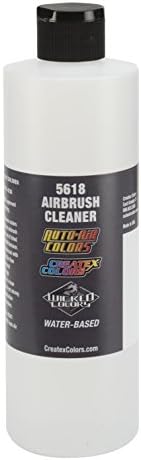
Tamiya is not the only strong cleaner on the shelf. Createx sells its own airbrush cleaner, popular with people already inside that paint system, and several airbrush makers offer a matched restorative cleaner alongside their mild one. They occupy the same slot in a routine.
The selection criteria are the same across all of them: what paint system you use, what your seals are made of, and whether you can meet the ventilation requirements in the product’s safety data sheet. Brand loyalty matters less here than in paint, because you are buying a solvent rather than a color. Our airbrush cleaner comparison covers the mild end of the range.
How to Use It Without Wrecking Anything
Take the brush apart first and treat only the metal parts that need it. Wipe the needle, brush the nozzle, and put a small quantity through the body if the channel is blocked. Do not fill the cup and spray bottle after bottle through a fully assembled airbrush, because that puts solvent against every seal in the tool.
Follow the soak times on the bottle rather than leaving parts submerged while you go and make coffee. Long soaks are the enemy of plating and seals, and the extra time rarely achieves what mechanical cleaning with a soft brush achieves in a minute. Our nozzle cleaning guide has the careful version of that sequence.
Storage and Handling
Cap it tightly, keep it away from heat and ignition sources, and store it somewhere that is not the same drawer your children can open. It is a flammable product and the safety data sheet says so plainly, which is enough reason to give it a shelf rather than a spot on the bench.
Decanting a small working amount into a dropper bottle is worth doing, both because it limits how much sits open while you work and because pouring from a large bottle over a small nozzle invites spills. Whatever you decant into needs to be solvent resistant, which rules out a lot of hobby plastics.

Frequently Asked Questions
Can I use Tamiya airbrush cleaner every session? You can, but there is no benefit and there is a cost in seal life and solvent exposure. A water based cleaner handles fresh acrylic completely. Keep the Tamiya bottle for dried paint, lacquer residue and the occasional restorative clean, and your seals will last far longer.
Will it damage my airbrush? It can damage rubber seals and soft plastics with repeated or prolonged contact. Metal parts are fine. Check whether your model uses solvent resistant seals, avoid long soaks, and keep a spare O-ring set. Airbrushes designed for lacquer work are built with this in mind.
Is it the same as Tamiya lacquer thinner? No, they are different products with different jobs, even though both are solvent based. The cleaner is formulated to strip paint residue from a tool. The thinner is formulated to dilute paint for spraying. Using one for the other’s job gives poor results in both directions.
Do I need a respirator to use it? Follow the manufacturer’s safety data sheet, which sets out the protection Tamiya considers appropriate for that product. If you are using solvent cleaners regularly in an enclosed hobby room, a NIOSH-approved respirator with the cartridge named in the documentation is the sensible route, along with proper extraction.
Can I use it on Vallejo or Citadel paint? Yes, it removes dried water based acrylic effectively, which is one of the common reasons people buy it. For wet paint from those ranges you do not need anything this strong, and the matched water based cleaner from the paint maker is the better everyday choice.
The Bottom Line
Tamiya airbrush cleaner earns its place as a recovery tool for cured paint and as the matched cleaner for lacquer work, not as an everyday flush. Read the safety data sheet, vent the room the way it requires, keep the fluid away from rubber seals and plastic parts, and stock spare O-rings before you need them. Read next: our airbrush cleaner overview and how to clean an airbrush properly.