Last updated: August 23, 2026
You open a bottle you have not touched since spring, give it the usual few shakes, thin it, and the airbrush spits pigment in clumps and then stops. The paint was not old. It was separated, and the fifteen seconds of shaking you gave it moved the thin binder around while the heavy pigment stayed welded to the bottom of the bottle.
This is a mundane problem with an unusually direct link to the thing that actually ruins sessions, which is clogging. Before you buy a machine to solve it, it is worth knowing what proper shaking really takes and which part of that a shaker replaces.
This article contains affiliate links. If you buy through them, we may earn a commission at no extra cost to you. Learn more.
Quick Answer
Is a miniature paint shaker worth buying?
- Free fix first: add a mixing ball and shake hard for a minute, not for five seconds.
- A shaker is a time saver for a large collection, not a rescue for one bad bottle.
- Vortex mixers spin the bottle. Shakers agitate it. The second breaks up settled pigment better.
- Nothing shakes pigment that has gone lumpy or dried. That bottle is finished.
Bottom line: buy mixing balls first. Buy the machine when shaking twenty bottles a session is the annoying part.
Why Separated Paint Clogs an Airbrush
Model paint is pigment suspended in an acrylic binder, and pigment is heavier than the fluid holding it. Leave a bottle standing and the solids drift down. What you pour off the top is thin and weak, and what eventually comes out of the bottom is a slurry that is far too coarse for a hobby nozzle.
An airbrush nozzle passage is narrower than most people picture. Pigment that has clumped while sitting arrives at that opening as small solid particles rather than as a smooth suspension, and they wedge. That is the same failure covered in our airbrush clogging guide, arriving from the bottle rather than from bad thinning.
The Free Fix Comes First
Shake properly before you buy anything. Most people shake for a few seconds, which is nowhere near enough for a bottle that has stood for months. A full minute of hard shaking, with the bottle inverted for part of it so the settled layer breaks off the base, fixes a large share of what looks like ruined paint.
Do it before every session rather than before every project. Paint separates over weeks, not years, and the bottle you shook in January is separated again by March. This costs nothing and removes the most common cause of a color spraying badly for no apparent reason.
Add a Mixing Ball
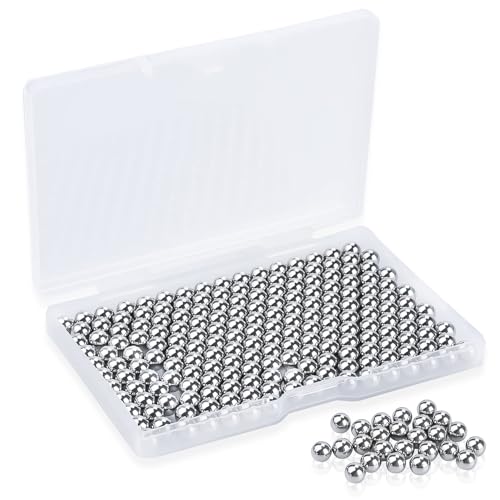
A stainless mixing ball in each bottle turns shaking from a gentle slosh into an agitation, because the ball drags through the settled layer instead of gliding over it. Glass and steel balls both work; steel is heavier and does more in the same time. This is the single highest value purchase in the whole article.
What a Paint Shaker Actually Buys You
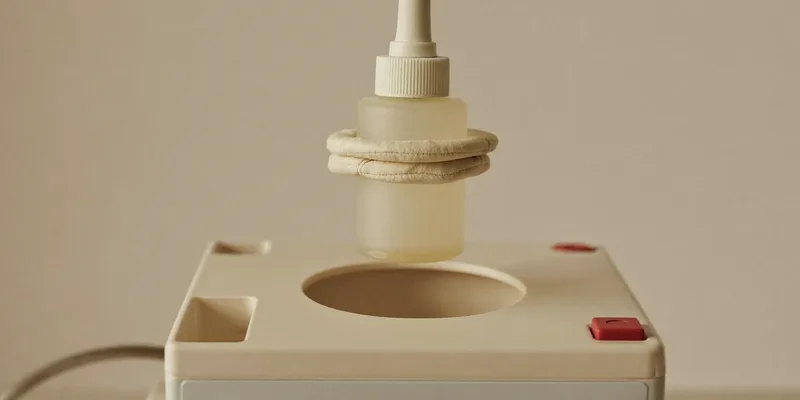
Time and consistency, not a capability you did not have. A machine shakes harder than your wrist and it shakes every bottle for the same length of time, which matters when a session starts with ten colors on the rack. It does not do anything your arm cannot do, it just does it while you set up.
The honest reading is that a shaker is a convenience purchase for a large collection. If you own fifteen bottles and paint one model a fortnight, mixing balls and a minute of effort get you the same result.

Vortex Mixers Are a Different Machine
A vortex mixer spins a rubber cup at speed, and you press the bottle onto it so the contents whirl. It is quick, it is quiet enough to use in the evening, and it excels at remixing paint that is only lightly settled or at blending a custom mix you made yourself.
What it does less well is dislodging a hard layer stuck to the bottom of a bottle, because spinning liquid does not slam anything into that layer the way an inverted shake does. Owners who use both tend to shake first when a bottle has stood for a long time, then vortex before each color during a session.

Which Approach Fits Your Bench
The four options overlap, and most painters end up owning two of them rather than choosing one.
| Method | Best at | Effort per bottle | Limitation |
|---|---|---|---|
| Hand shaking | Anything, if you do it long enough | About a minute | Nobody keeps it up for ten colors |
| Mixing balls | Breaking the settled layer | Adds nothing, works while you shake | Rattles; needs one per bottle |
| Vortex mixer | Quick remix before spraying | Seconds, held by hand | Weak on hard settled pigment |
| Shaker machine | Many bottles unattended | None once loaded | Noise, bench space, cost |
What Shaking Will Not Fix
Paint that has gone lumpy, stringy or rubbery is chemically finished, and no amount of agitation reverses that. Same for a bottle with a crust around the nozzle that keeps flaking into the fluid, and for anything that smells sour rather than of nothing much. Those bottles clog airbrushes and waste sessions.
Strain a doubtful bottle through a fine mesh before you commit it to the airbrush, or decant what you need and leave the rest. It is worth being ruthless here, because one bad color costs more in stripped models and cleaning time than a replacement bottle.
Shaking Is Not Thinning
A well shaken bottle is still bottle strength paint. Airbrushing needs it thinner than that, and thoroughly mixed paint simply gives you a reliable starting point to thin from. Skipping the shake means you are thinning an unknown, which is why the same ratio works one day and fails the next.
Mix first, then thin, then test on a card rather than on the model. Our guide to thinning acrylic paint for airbrush covers how far to take it, and airbrush paint for miniatures covers which ranges arrive closer to ready.
Frequently Asked Questions
How long should I shake a bottle of miniature paint? About a minute for a bottle that has been sitting, with the bottle inverted for part of that so the settled layer breaks off the base. A few seconds is not shaking, it is stirring the top half. Bottles used weekly need much less.
Will a paint shaker stop my airbrush clogging? It removes one cause among several. Properly mixed paint clogs less than separated paint, but thinning, nozzle size and tip drying all still apply. Treat the shaker as maintenance rather than as a cure, and work through our clogging checklist for the rest.
Can I use a DIY shaker instead? Plenty of people clamp bottles to a cheap paint stirrer or a reciprocating tool and get a good result. Secure the bottle properly and keep the speed sane, because a bottle that escapes at full speed makes a mess you will be finding for weeks.
Are mixing balls safe in every kind of paint? Stainless steel and glass are fine in water based acrylics. Some painters avoid bare steel in solvent heavy or alcohol based ranges over the long term and use glass instead. If in doubt, check what the manufacturer says on the safety data sheet for that paint.
Do metallic paints need different treatment? Yes, they need more of it. Metallic flakes are heavier and settle faster than color pigment, so a metallic that sat for a month needs a longer shake than a matte color, and it benefits most from having a ball in the bottle.
The Bottom Line
Put a mixing ball in every bottle and shake for a full minute before a session, and most of what looks like a paint problem disappears. Buy a machine when the collection is big enough that doing it by hand is what puts you off starting, and choose a shaker over a vortex mixer if your bottles sit for months between uses. Read next: thinning acrylic paint for airbrush for the step after mixing, and miniature paint station for where the bottles should live.