Last updated: August 23, 2026
Every model forum has the same argument running somewhere. One camp says lacquer sprays better than anything else and lays down a shell you can mask, sand and handle without fear. The other camp says acrylic is fine, and that nobody should be filling a spare bedroom with solvent fumes to paint a tank.
Both camps are right, and the reason they keep talking past each other is that they are painting in different rooms. The choice between lacquer and acrylic is only half a paint decision. The other half is about your ventilation, the people in the house and how much cleanup you are willing to do. This guide takes both halves seriously.
This article contains affiliate links. If you buy through them, we may earn a commission at no extra cost to you. Learn more.
Quick Answer
Should you airbrush lacquer or acrylic paint?
- Lacquer sprays smoother, dries harder and takes masking better. It also demands real ventilation and protective equipment.
- Acrylic is the sensible default at a kitchen table, cleans up with water based cleaner and smells far less.
- Lacquer thinner attacks rubber O-rings and some plastics. Check what your airbrush uses before you flush it.
- Read the manufacturer safety data sheet for any solvent paint or thinner you buy. It is the only authority on that product.
Bottom line: if you cannot vent to the outdoors and wear proper protection, acrylic is not a compromise, it is the correct choice for your setup.
The Real Difference Between the Two
The difference is the carrier. Acrylic paint carries pigment in water or alcohol, and when that evaporates the acrylic binder is left behind as a film. Lacquer carries pigment in a strong organic solvent that partly bites into the plastic underneath, so the finish keys into the surface rather than sitting on top of it.
That single chemical fact explains almost everything else on this page. It is why lacquer feels tougher under tape, why it dries so fast, why it needs a very different thinner, why it eats rubber seals, and why the ventilation conversation is only serious on one side of the comparison.
What Lacquer Buys You
A harder, thinner, smoother film than acrylic gives, laid down in less time. Lacquer atomizes very readily, self levels while it flashes off, and cures to a shell that survives masking tape, light sanding and handling. On a glossy subject like a car body or a large aircraft, the difference in finish is visible without looking closely.
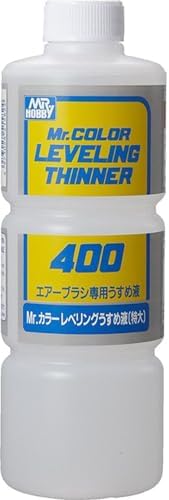
It also forgives a slightly clumsy pass. Because the solvent keeps the paint mobile for a moment after it lands, small texture flaws flow out instead of setting as they hit. Mr Color Leveling Thinner exists specifically to extend that window, and mixing it into the paint is standard practice among modelers chasing a gloss coat.
What Acrylic Buys You
A paint you can use in a room where people live. Water based acrylics smell mildly, thin with their own thinner or with water in a pinch, and clean out of an airbrush with a water based cleaner rather than a solvent. That is why almost every miniature painter uses them and why almost every starter kit ships with them.
The trade is film hardness and a slightly rougher finish under close inspection. Acrylic sits on the surface rather than biting into it, so it is easier to lift with aggressive tape and easier to rub through on edges. For a Warhammer squad that gets a matte topcoat anyway, none of that matters. For a mirror gloss race car, it does.

Ventilation Is Not Optional With Lacquer
Lacquer paints and lacquer thinners are solvent products, and the manufacturers say so plainly. GSI Creos guidance for Mr Color and the retailers who carry it both state that solvent based paint requires a well ventilated workspace and a suitable paint respirator during spraying. Tamiya’s safety data sheet for its solvent products lists them as flammable liquids with harmful vapors.
Treat those documents as the authority for the product in your hand, not a general rule of thumb from a forum. Every bottle has a safety data sheet available from the manufacturer, it names the hazards for that specific formulation, and it tells you what protection the maker considers appropriate. If you are spraying lacquer, that means venting to the outdoors and wearing a NIOSH-approved respirator with the cartridge the maker’s documentation calls for. Our airbrush ventilation page goes into the room side of that in more detail.
Why a Booth Alone Is Not the Whole Answer
A hobby spray booth captures overspray and pulls air away from your face, which is exactly what it is for. It is not a substitute for a duct to the outside and it is not certified safety equipment. Extraction that dumps back into the same room moves the mist around rather than removing the solvent from the air. See our airbrush spray booth guide for the difference between filtered and vented setups.
Lacquer or Acrylic at a Glance
Reading the two systems side by side makes the decision faster than any amount of forum argument, because most people find that one row is decisive for them and the rest is detail.
| Property | Lacquer | Acrylic (water based) | Why it matters |
|---|---|---|---|
| Film hardness | Hard, bites into plastic | Softer, sits on the surface | Masking and handling risk |
| Cleanup | Lacquer thinner or solvent cleaner | Water based airbrush cleaner | Cost and smell at the sink |
| Ventilation need | Vented setup plus respirator per SDS | Booth or open window, plus care | Decides whether it suits your room |
| Seal compatibility | Attacks rubber O-rings | Safe with standard seals | Maintenance and part replacement |
Lacquer Thinner and Your O-rings
This is the practical trap that catches people who switch. Standard rubber O-rings inside an airbrush swell and degrade when they sit in strong solvent. The brush works fine during the session, then a week later it leaks air into the cup or will not hold pressure, and the owner blames the airbrush rather than the flush.
Manufacturers who expect solvent use fit solvent resistant seals, and several premium brushes are sold that way. If you are not sure what is inside yours, check the parts diagram from the maker before you run lacquer thinner through it, and treat the seals as consumables either way. Our airbrush replacement parts guide covers seal kits and what fits what.

Which One Fits Your Room
Start from the room and work back to the paint, not the other way around. If you paint at a dining table in an apartment, share the space with a partner or children, or cannot open a window to the outdoors while you work, acrylic is the answer and there is no asterisk on it.
If you have a garage or a basement bench, can duct a booth through a window, and are willing to buy and maintain the protective gear the safety data sheets specify, lacquer becomes a real option and the finish rewards it. Plenty of modelers run both: acrylic at the kitchen table, lacquer in the garage.
Mixing Systems and What Not to Do
Layering is where the two systems interact, and the rule is direction dependent. Lacquer over cured acrylic can bite into the layer beneath and lift it. Acrylic over cured lacquer is generally safe, which is why lacquer primers and gloss coats under acrylic detail work are a common combination.
Never thin one system with the other’s thinner and expect it to behave. Tamiya’s acrylics are alcohol based and take X-20A, not lacquer thinner, even though many modelers deliberately push that boundary; our Tamiya airbrush paint page deals with that specific case. Everything else follows from the carrier, and the maker’s own thinner is always the safe route.
Frequently Asked Questions
Can I use hardware store lacquer thinner in an airbrush? It is not the same product as a hobby lacquer thinner, and the formulation varies by supplier and by batch. Hobby thinners are blended to a known drying rate for model paint. If you want predictable results and a safety data sheet that matches what you are spraying, use the thinner the paint maker sells.
Is acrylic paint safe to airbrush without a mask? Anything you atomize becomes an airborne mist regardless of the carrier, so the sensible approach is extraction plus the protection the product’s safety data sheet recommends. Water based acrylics are the milder end of the range, not a category exempt from ventilation. Check the sheet for your specific paint.
Does lacquer really need a spray booth? It needs ventilation that removes the solvent from the air you are breathing, which in a hobby room usually means a booth ducted to a window. A recirculating filter box handles overspray but does not remove vapor. The maker’s documentation is the reference, not general advice.
Will lacquer thinner damage my airbrush? It can damage standard rubber seals and some plastic cups over repeated use. Metal parts are fine. Check the maker’s parts list for solvent resistant seals, keep spares, and do not leave any part soaking in solvent longer than the cleaner’s own instructions allow.
The Bottom Line
Lacquer gives a harder, smoother, tape-friendly finish and asks for a vented setup and respiratory protection specified by the product’s safety data sheet. Acrylic gives a slightly softer finish, cleans up with water based cleaner and suits the room most hobbyists actually paint in. Choose the room first and the paint second, and keep solvent away from rubber seals that were never designed for it. Read next: our airbrush paint overview and how to thin acrylic paint for airbrushing.